Crisps & Natural Wine with Rachel Hendry: An Evening at Sibling
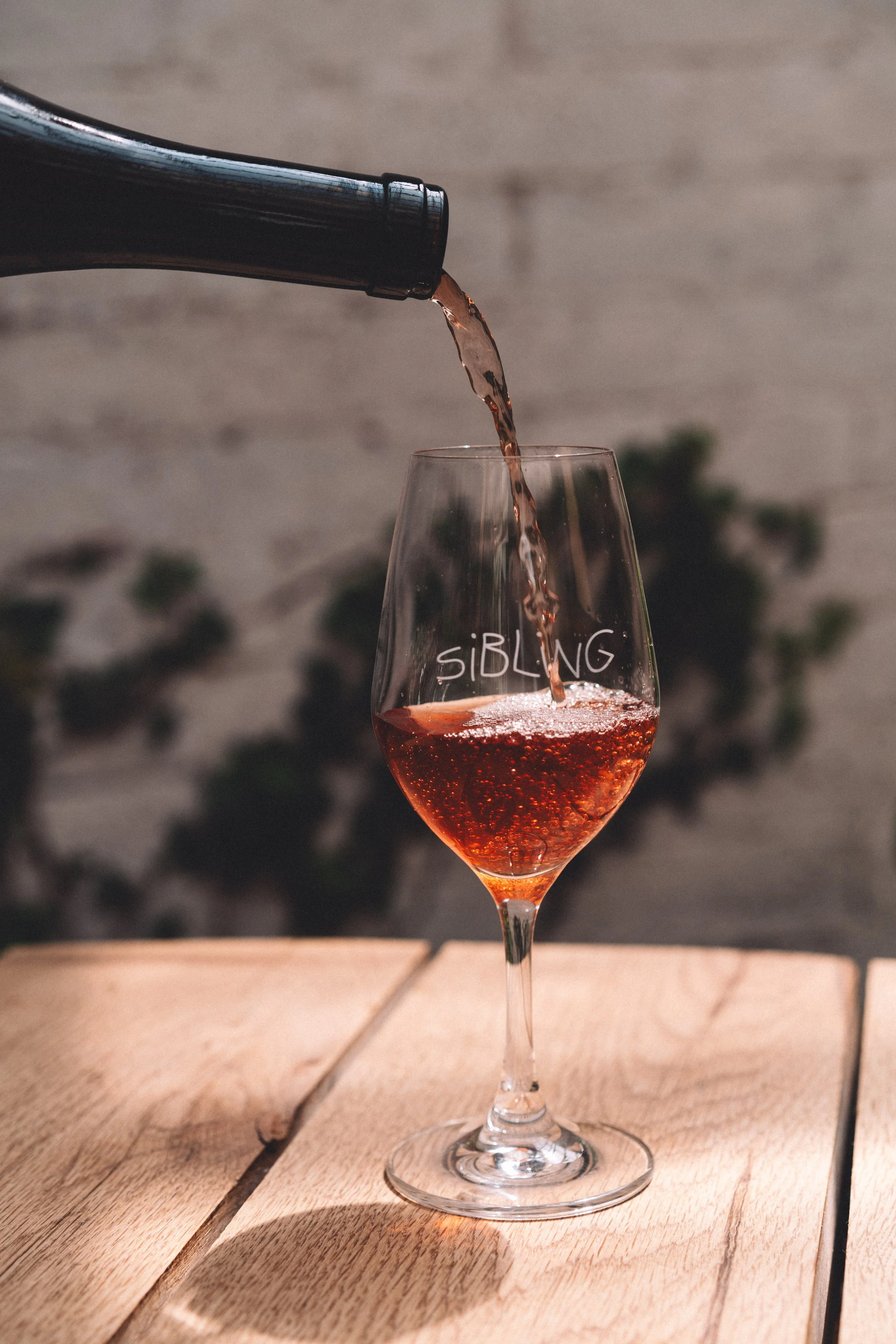
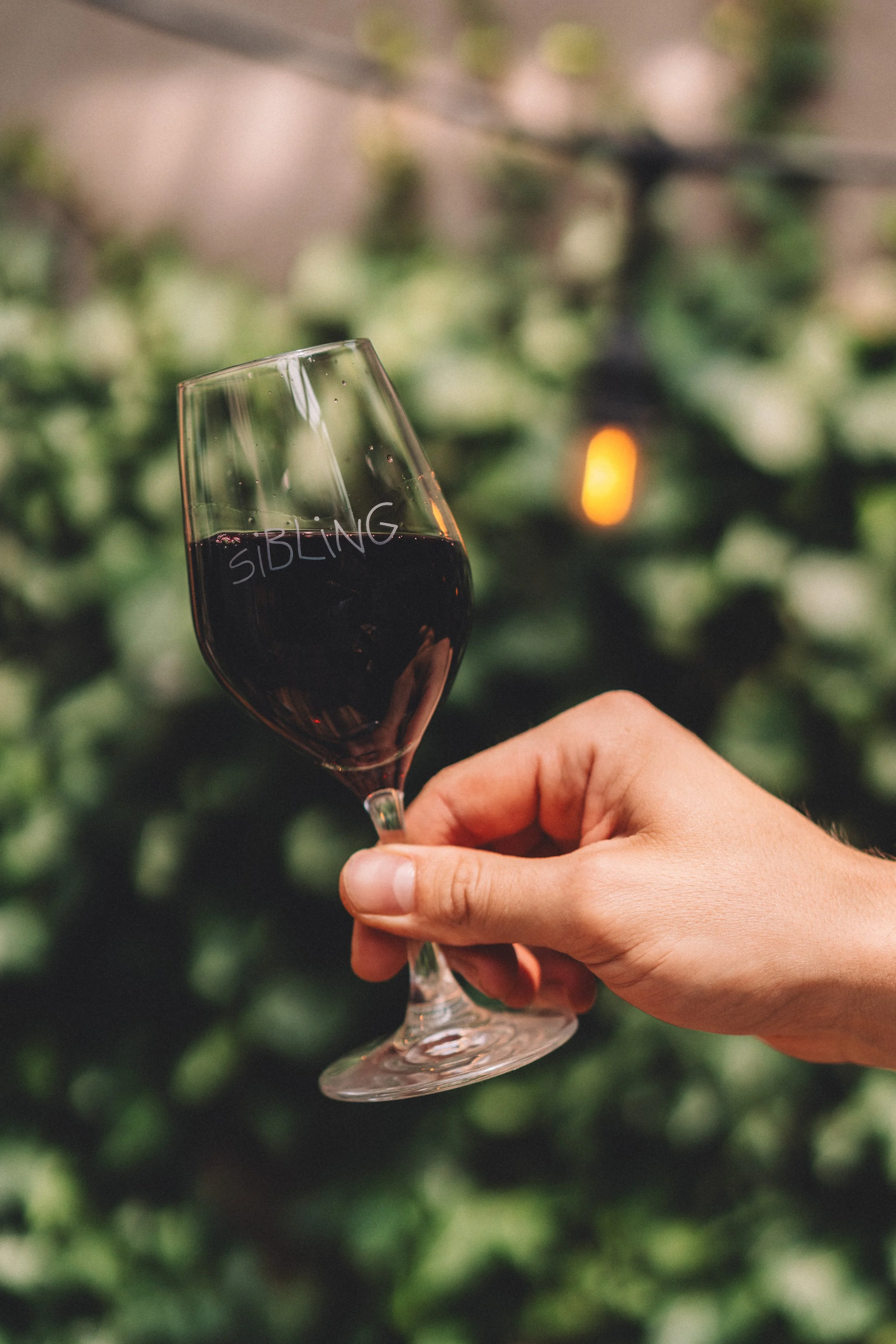
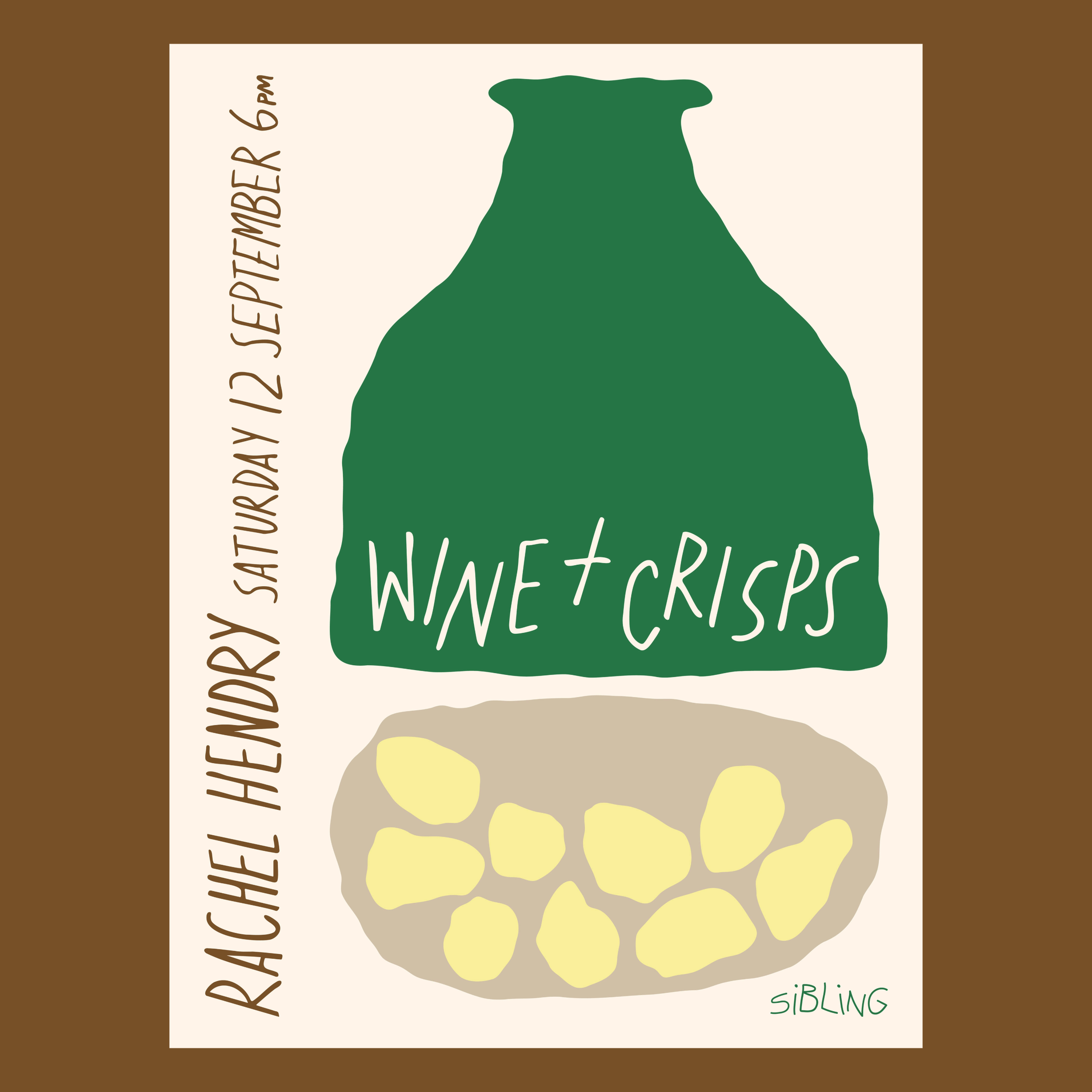
Join us for an evening dedicated to one of life's great unsung pairings: natural wine and the humble crisp.
We will be led by wine buyer, and self-confessed crisp obsessive, Rachel Hendry, author of the much loved, though no longer running, newsletter J’Adore Le Plonk.
Rachel will guide us through a flight of five low interventions wines matched course-by-course with a carefully curated selection of crisps from all corners of the snack aisle.
We’re firm believers that crisps have a strong claim to dethrone cheese as the natural wine accompaniment (pun intended). Serious wine tasting doesn't have to mean serious snacks; we’ll explore how texture, salt, fat, and acidity can teach us as much about a glass of wine as any cheeseboard.
Whether you're a natural wine devotee, a lifelong crisp enthusiast, or simply curious about an evening that promises both, come hungry, come thirsty, come curious.
Seats will be spread across indoors and outdoors (covered).

Cafeina is our house coffee, it’s a comforting, familiar brew that will please everyone in the room. It’s just as happy being extracted as a rich, chocolatey espresso as it is in an aeropress whilst camping or a cafetiere at home.
A natural processed coffee grown by the Cafeina Group and Cocatrel Womens Cooperative in Sul De Minas, Brazil. This lot is made up of Mundo Novo and Acaia varieties.
The coffee is machine harvested before the grades are separated and then left to dry on the patio for 7-10 days. The coffee is then left to rest for 30 days before being hulled.
We’re tasting hazelnut, chocolate and cranberry.
For the best brews we recommend resting this coffee for at least two weeks before using.
Best consumed within three months of roast date.
Use code THREEANDOVER for free shipping on three or more bags.

A red honey processed coffee produced by the Chacón family in the Central Valley region of Costa Rica. This lot is made up of the SL28 varietal. After picking, cherries are floated using Penagos machines before processing. Honeys are first dried on raised beds in the sun and moved when the desired colour is reached.
The Chacón farms are mostly run according to organic farming principles. Over time, it has become more costly and complicated to maintain official organic certification, and the family felt the certification no longer added sufficient value to their product. They have since allowed it to lapse, but organic principles remain central to their philosophy. Their production is chemical-free, pulp from the mill is composted and returned to the coffee plants, and their processes use only one cubic meter of water per day.
In the cup we’re tasting fig, raisin and chocolate.
For the best brews we recommend resting this coffee for at least two weeks before using.
Best consumed within three months of roast date.
Use code THREEANDOVER for free shipping on three or more bags.

A natural processed coffee produced by 763 small holders in the Gedeb district of Yirgacheffe, Ethiopia. This lot is made up of JARC 74110, 741112 varieties.
In 2019, SNAP Specialty Coffee established a wet mill in the small hamlet of Danche within Chelbesa Village, designed to exclusively process red cherries from nearby farmers. The ceramic fermentation tanks at the wet mill enhance the clarity of the coffee by retaining heat, which accelerates fermentation. The processing involves 72 hours of wet fermentation, one hour of soaking, and drying on raised beds for 12 days.
In the cup we’re tasting peach, grapefruit, chocolate and jasmine tea.
For the best brews we recommend resting this coffee for at least two weeks before using.
Best consumed within three months of roast date.
Use code THREEANDOVER for free shipping on three or more bags.

A washed processed coffee grown by smallholders from the Kirinyaga district on the foothills of Mount Kenya. This lot is made up of SL28 and SL34 varieties grown on rich volcanic soils.
The farmers bring their carefully selected cherries to the factory where Kii is renowed for high quality processing and very clean facilities.
We’re tasting Rhubarb, lime, toffee and blackcurrant.
For the best brews we recommend resting this coffee for at least two weeks before using.
Best consumed within three months of roast date.
Use code THREEANDOVER for free shipping on three or more bags.
No results match your search. Try removing a few filters.